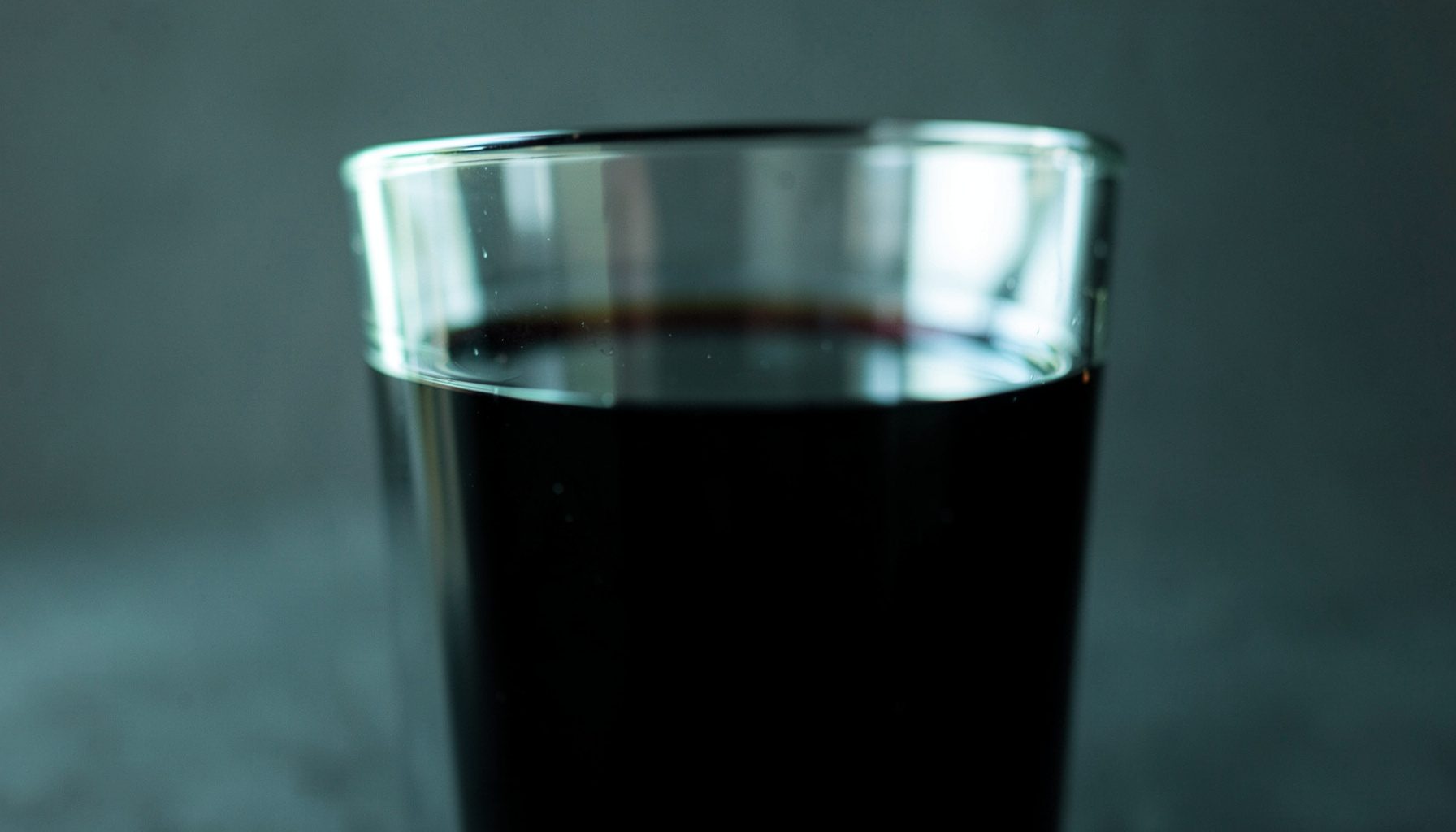
Black Charcoal Drinks Compared
Several charcoal-based health and beauty drinks are on the market. While they all share a striking black appearance, their ingredients and targeted benefits differ. Below we break down how Charcoal Ginsen compares to four popular alternatives.
| Product | Charcoal Type | Key Ingredients | Primary Focus |
|---|---|---|---|
| Charcoal Ginsen | Red pine charcoal | Korean ginseng, lactic acid bacteria, enzymes | GLP-1 secretion support, gut flora balance, body control |
| Charcoal Coffee | Binchotan (white charcoal) | Coffee extract, oligosaccharides | Everyday detox, mild energy boost |
| Dark Cleanse | Bamboo charcoal | Herbal extracts, dietary fiber | Internal cleansing, regularity |
| Bee Cleanse | Coconut shell charcoal | Honey, propolis, royal jelly | Beauty support, skin clarity |
| Ultra Charcoal | Oak charcoal | Fermented plant extracts, vitamins | Full-body detox, metabolism |
The gallery space is defined by its commitment to contemporary printmaking and the evolving dialogue between traditional techniques and modern expression. Artists working in this medium often explore the tactile qualities of paper and ink, creating works that feel both deliberate and spontaneous. The exhibition programming at T+H Gallery highlights the versatility of print as a fine art form, from intricate woodcuts to experimental monotypes. Each show invites visitors to consider how repetition and variation can generate meaning, and how the matrix—whether carved, etched, or drawn upon—leaves its trace in every impression. This dedication to craft and concept makes the gallery a vital destination for collectors and enthusiasts alike.
Seasonal exhibitions at the gallery trace a rhythm of thematic exploration, moving from the introspection of winter into the renewal of spring and the vibrancy of summer and fall. Each rotation brings forward new voices and fresh perspectives, often pairing emerging artists with more established names in thoughtful juxtaposition. The programming reflects a curatorial interest in process, materiality, and the passage of time. Works on view frequently engage with natural forms, urban landscapes, and abstract geometries, inviting viewers to slow down and look closely. The gallery becomes a space for quiet discovery, where each visit offers something previously unseen.
The gallery's presence extends beyond its physical walls through participation in art fairs and collaborations with museums and cultural institutions. These partnerships allow the gallery to introduce its represented artists to broader audiences and to engage with the wider contemporary art conversation. The selection of works for these occasions is carefully considered, often drawing from the same rigorous curatorial vision that defines the main program. Whether presenting at a fair in New York or organizing a special exhibition elsewhere, the gallery maintains its distinctive voice and high standards. These efforts strengthen the community around the artists and deepen the gallery's role as a cultural connector.
Artists whose practices engage with themes of visibility, transformation, and material alchemy are central to the gallery's identity. Their works often incorporate unexpected elements—charcoal, botanical extracts, found objects—that challenge conventional notions of permanence and beauty. The resulting pieces can feel both ancient and contemporary, rooted in process yet open to interpretation. Collectors are drawn to the depth of these works, which reward extended looking and reveal new details over time. The gallery's program encourages this kind of sustained engagement, fostering relationships between art and audience that develop gradually, like the slow unfolding of a print pulled from the press.
The gallery's approach to representation is built on long-term collaboration and mutual investment in artistic growth. Rather than pursuing trends, the program develops around artists whose work demonstrates sustained inquiry and formal rigor. This philosophy creates exhibitions that feel cohesive yet surprising, each building on the last while opening new lines of inquiry. The physical space supports this vision with its generous proportions and careful lighting, allowing works to breathe and viewers to move freely. In an era of rapid consumption, T+H Gallery offers a counterpoint: a place where art is given time to resonate, and where the act of looking becomes a meaningful practice in itself.
Head-to-Head Breakdowns
Charcoal Ginsen vs. Charcoal Coffee
Charcoal Coffee uses binchotan (white charcoal) paired with coffee extract for a familiar morning ritual with detox appeal. Charcoal Ginsen takes a different approach: red pine charcoal combined with Korean ginseng and lactic acid bacteria targets GLP-1 secretion and gut flora — making it more of a body-control supplement than a simple detox drink.
- Charcoal Ginsen: red pine charcoal + ginseng + probiotics
- Charcoal Coffee: binchotan + coffee + oligosaccharides
Charcoal Ginsen vs. Dark Cleanse
Dark Cleanse relies on bamboo charcoal and herbal extracts with a strong emphasis on internal cleansing and digestive regularity. Charcoal Ginsen shares the gut-health angle through its lactic acid bacteria and enzymes, but adds Korean ginseng for broader body-control support rather than focusing solely on cleansing.
- Charcoal Ginsen: multi-ingredient body support
- Dark Cleanse: herbal cleansing and fiber focus
Charcoal Ginsen vs. Bee Cleanse
Bee Cleanse incorporates coconut shell charcoal with honey, propolis, and royal jelly — positioning itself as a beauty-oriented drink for skin clarity. Charcoal Ginsen does not emphasize beauty claims; its formula is built around GLP-1 secretion and gut flora balance for overall body management.
- Charcoal Ginsen: body control via GLP-1 and gut health
- Bee Cleanse: beauty and skin support
Charcoal Ginsen vs. Ultra Charcoal
Ultra Charcoal uses oak charcoal with fermented plant extracts and vitamins, marketed as a full-body detox and metabolism booster. Charcoal Ginsen overlaps on metabolism support but distinguishes itself with red pine charcoal and the specific GLP-1 secretion mechanism, which Ultra Charcoal does not highlight.
- Charcoal Ginsen: targeted GLP-1 approach
- Ultra Charcoal: broad detox and vitamin blend
Which One Should You Choose?
If your goal is body control through GLP-1 secretion support and gut flora balance, Charcoal Ginsen — with its red pine charcoal, Korean ginseng, lactic acid bacteria, and enzymes — offers a focused formula. For those seeking a simple coffee-style detox, Charcoal Coffee may appeal. Dark Cleanse suits cleansing-focused users, Bee Cleanse targets beauty-conscious consumers, and Ultra Charcoal provides a broad-spectrum detox blend. Consider your personal health goals when deciding.